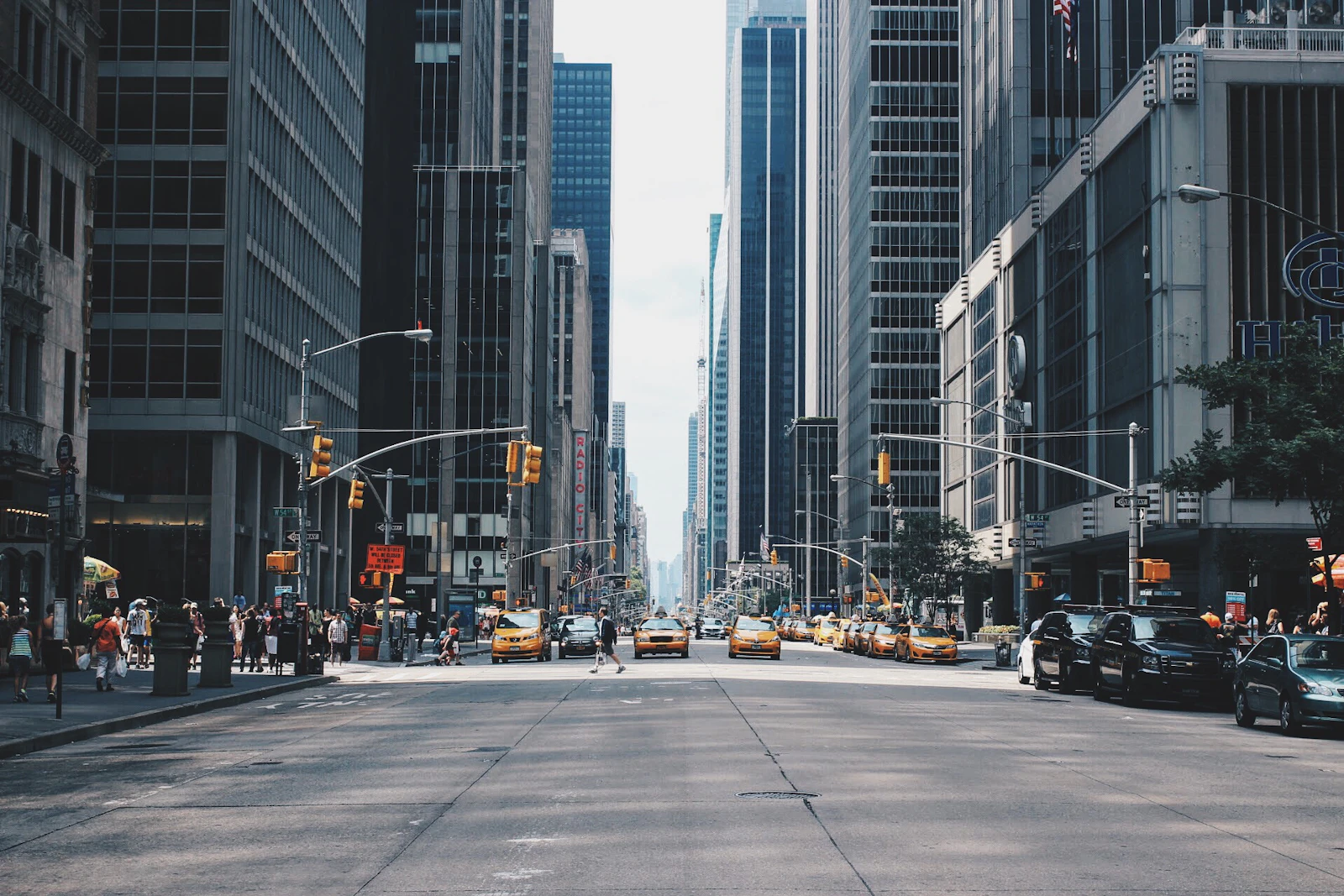
For years, in the prevailing discourse of development, tourism has been hailed as the economic miracle drug—a tool expected to inject capital, generate employment, revive quiet alleyways, and put destinations on the map. Yet, when the seasonal buzz fades, the enthusiasm of events dies down, and visitor arrival statistics are archived, a fundamental and piercing question arises: Has this commotion truly strengthened and deepened the roots of the host community, or has it merely hollowed out and exhausted the urban fabric against waves of consumption?
The bitter truth is that if tourism is directed without social safeguards and through a one-dimensional approach, it not only fails to lift burdens from the community but doubles its vulnerability to economic shocks, climate crises, and external disruptions. The starting point for transitioning from this flawed, unsustainable cycle lies in grasping the deep interconnection between “social performance/sustainability,” “spatial justice,” and “community-based resilience.”
2. Global Evidence: When Purely Economic Decisions Push Communities to the Brink
According to authoritative findings from the joint UNWTO and UNDP report (Tourism and the Sustainable Development Goals), one of the most deep-seated and dangerous challenges in destination development is that most tourism projects continue to be designed and executed based purely on “economic benefits,” while vital social and environmental components are practically ignored. This international document explicitly emphasizes that destructive phenomena such as overtourism, heavy pressure on baseline resources (like water and energy), and tensions arising from unbalanced growth disrupt citizens’ daily lives and leave host communities defenseless against macro-crises.
The report reminds us that profit-driven development which prioritizes short-term financial gains over the long-term well-being of residents is actively destroying the foundations of its own stability and survival; for a destination whose citizens are dissatisfied will ultimately cease to be attractive to tourists.
3. Local Resilience: The Art of Bending Without Breaking in Times of Crisis
In modern development literature, the concept of “resilience” is often mistaken for rigid stance and static resistance. In contrast, true resilience in a living, dynamic system is the ability to learn, adapt, and regenerate after experiencing sudden shocks. Today’s tourism destinations are continuously exposed to successive and unforeseen threats—from severe global market fluctuations and financial crises to climate shocks, pandemics, and regional unrest.
Meanwhile, tourism plays a resilient and lifesaving role only when it diversifies livelihoods rather than locking the community into an excessive, mono-product dependency on an unstable flow. When the tourism economy relies on micro-local value chains, indigenous handicraft workshops, and small- and medium-sized family enterprises (SMEs)—an environment where the local community retains control—structural resilience of the human fabric is forged. In such a structure, tourism revenue acts as a protective shield during recessions, deepens social capital and intra-group trust bonds, and keeps the community fabric cohesive.
4. Concluding Remarks: Participatory Governance and Restoring the Heartbeat Within the Community
Urban resilience and true sustainability cannot be bought with advertising banners, organizational slogans, showcase structures, or seasonal events; true resilience is rooted in the depth of neighborly bonds, conscious participation, distributive justice, and people’s economic independence. As reference international documents note, successful tourism governance depends on creating an ongoing, transparent, and bilateral dialogue among all stakeholders, governments, inclusive private sectors, and local communities.
Tourism is social, sustainable, and resilient only when, above all else, it prioritizes the quality of life, well-being, and peace of mind of the destination’s rightful owners. If a destination is not safe, livable, equitable, and dignified for its own citizens, it will lack the stamina to withstand the winds of crisis and will sooner or later fall victim to endogenous collapse. The sustainable heartbeat of a city is a reflection of the rhythm of peace and satisfaction of the people who live within it.
5. References
UNWTO & UNDP (2017). Tourism and the Sustainable Development Goals – Journey to 2030. Madrid: World Tourism Organization. e-unwto.org
GSTC (Global Sustainable Tourism Council). Destination Criteria: Maximizing social and economic benefits to the local community. gstcouncil.org
1. Social Sustainability: Beyond Traditional Backdrops and Forced Smiles
Social sustainability in tourism cannot be achieved through reductionist definitions, performative festivals, or maintaining historical quarters merely as decorative museum pieces. In this layer, sustainability means that the host community is not a passive spectator of development, but rather assumes agency and semantic ownership of the process. When a historic neighborhood, traditional fabric, or target tourism village experiences economic prosperity, but its original residents are forced to migrate to city fringes due to the spatial inflation, soaring housing costs, commodification of cultural values, and unbridled land-use changes, we are no longer facing “development”; rather, we are witnessing the silent process of “biocultural hollowing.”
Social sustainability means safeguarding the dignity of everyday life and protecting the “right to the city.” It means the presence of visitors should not devour the psychological peace, personal security, citizens’ privacy, and their right to basic services. A community achieves true sustainability only when it possesses a real voice, agency, and bargaining power in all decision-making processes, rather than merely playing a minor supporting role as a background backdrop in travelers’ memories.